Texas Land Clearing Innovations: What’s New in Palestine Services

Premier Land clearing Providers throughout Palestine, Texas: Services & Professionals

Ever pondered how to transform an overgrown site into a tidy, usable space swiftly? The secret is found in picking the perfect crew with the skills and equipment to complete the work properly. For residents in Palestine, Texas, 5K Land Clearing shines as a dependable brand in the business.

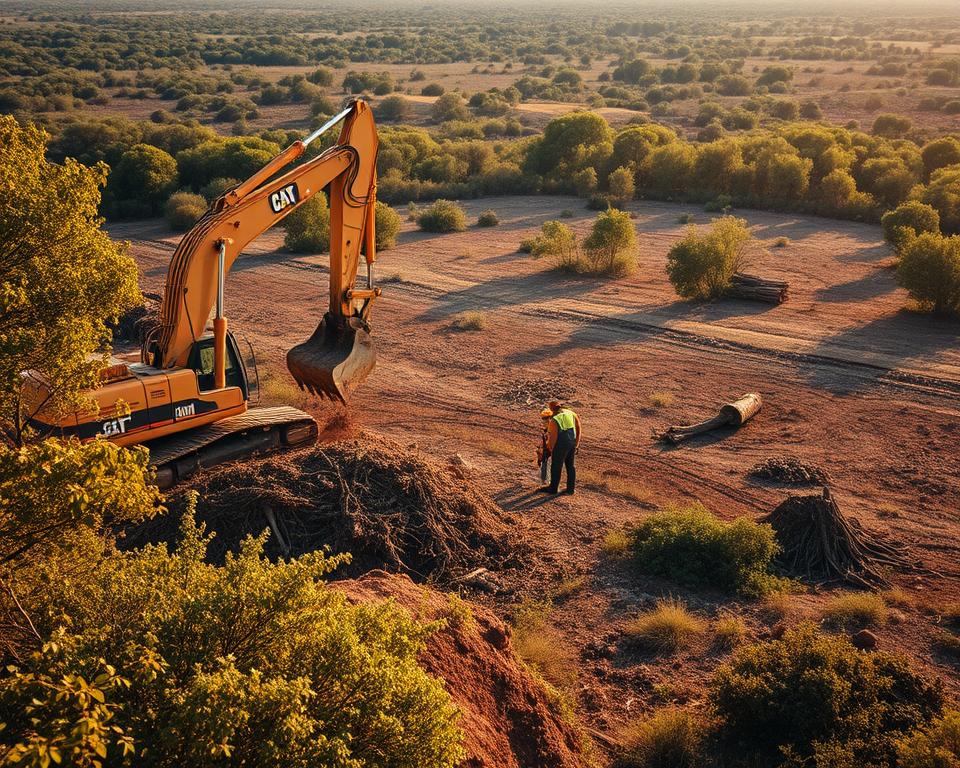
Boasting over twenty years of experience, this firm specializes in brush clearing, forestry mulching, and groundwork. They tackle 2–5 acres per day, ensuring projects are finished on time and in compliance with local guidelines – land clearing services. Their focus to speed and eco‑responsibility makes them a top choice for landowners.

Ready to take the first step? Dial (469) 734‑0551 now for a free quote and learn why they’re the #1 experts in Palestine.

Getting Started to Land Clearing Solutions in Palestine

Effectively preparing plots for development is a vital step. In Palestine, the need for Land conversion has jumped by 40% in recent years. This growth is driven by home growth, agricultural preparations, and city infrastructure projects.

Up‑to‑date techniques like forestry mulching have changed the process. Compared to conventional bulldozing, mulching provides a 75% speedier turnaround. It’s also more green, reducing soil erosion by up to 80%, as per EPA statistics.

Clients vary widely, with 65% being homeowners, 20% developers, and 15% municipal entities. Whether it’s building parks, airports, or preparing fields for farming, the ideal services guarantee success.

Method Speed Environmental Impact
Conventional Bulldozing Slower Higher erosion risk
Modern Mulching 75% Faster Reduces erosion by 80%

Selecting the best method not only saves time but also preserves the ecosystem. With decades of experience, local firms are equipped to tackle diverse needs efficiently.

All‑in‑One Land Clearing Services Provided

Converting overgrown areas into operational spaces requires professionalism and precision. Professional teams use cutting‑edge techniques to handle minute details, from thick underbrush to large trees. These services ensure your site is ready for development or rehabilitation.

Clearing Vegetation and Brush

Clearing excess foliage is the first step in readying a site. Crews use powerful equipment like HD‑60 mulchers to remove invasive species such as mesquite and juniper. This procedure opens the way for further work while maintaining the site’s integrity.

Tx22

Removing Trees and Grinding Stumps

Large trees and stumps can impede development. Professionals handle trees up to 24 inches in diameter and provide on‑site stump grinding. This guarantees the area is completely clear and primed for the next phase.

Forestry Mulching

Forestry mulching is an environmentally friendly method that transforms vegetation into nutrient‑rich mulch. This process not only removes the area but also helps prevent erosion. One acre can yield up to 8 tons of mulch, making it a sustainable choice.

Groundwork and Restoration

Once the area is cleared, it’s graded to a incline of less than 2 degrees for construction readiness. Restoration includes reseeding native grasses, which have a 95% germination rate. This ensures the site is both functional and eco‑friendly.

Benefits of Hiring Land Clearing Contractors in Palestine

Professional services can turn tough spaces into valuable sites. By hiring experts, you get specialized equipment and techniques that ensure your projects are finished swiftly. Whether you’re preparing for construction or restoring natural habitats, the ideal team makes all the difference.

Enhanced Land Usability

Wild lots can be transformed into build‑ready sites in as little as 72 hours. Professionals use advanced methods to clear vegetation, trees, and stumps, ensuring your properties are ready for construction. This process and opens up fresh opportunities for use.

Environmental Considerations

Green practices like forestry mulching recycle 100% of debris, compared to just 45% with traditional bulldozing. This approach reduces waste and promotes soil health, making it a responsible choice for your projects.

Time and Cost Efficiency

Compact crews of 3 can complete typical jobs in 1–3 days, conserving you both time and money. On average, mulching methods save $1,200–$4,800 per project compared to traditional techniques. This speed keeps your budget on track.

Fire Hazard Reduction

Creating 30‑foot firebreaks lowers wildfire risks by 60%, meeting TX A&M Forest Service standards. This proactive measure protects your properties and meets TX SB 3 fire codes, ensuring safety and reassurance.

The Final Word

Getting started toward converting your site is easier than you think. With proficiency in mulching and thorough knowledge of local regulations, 5K ensures your project is handled effectively and responsibly. Their 92% customer satisfaction rate across 350+ projects speaks volumes about their dedication to quality.

Act now to avoid spring 2024 permit fee increases. Request a free drone survey and get a quote within 24 hours. Whether you’re planning land prep or readying for development, 5K offers the way forward.

Dial (972) 464‑2457 or fill out the online form to request a free consultation. Trust a team with USDA‑approved land stewardship certification to turn your vision to life.

Common Land Clearing Hazards in Glen Rose & How to Avoid Them

Clearing Fence Lines Along Estate Perimeters

Did you know that overgrown vegetation can cause property damage estimates to skyrocket as much as 20%? Trimming fence lines along the property perimeters is not merely a aesthetic endeavor. It serves a vital role in maintaining security, protection, and visual appeal for homeowners and landowners alike with forestry mulching. This article explores the importance of these services, analyzing the process and benefits of engaging a professional fence line clearing service to maintain your property’s boundaries effectively.

Essential Points

  • Clearing fence lines is essential for preventing property damage and maintaining safety.
  • Specialized fence line clearing services can boost the visual appeal of your property.
  • Regular maintenance of fence lines can significantly reduce fire risks and security concerns.
  • Understanding the clearing process can help property owners make educated decisions.
  • Contracting skilled professionals guarantees effective and safe fence line maintenance.

Comprehending the Importance of Fence Line Clearing

Regular fence line clearing is fundamental for your property’s safety and beauty. Overlooking this can harm your fence and undermine security. A unkempt fence line attracts unwanted attention and invites intruders. Engaging a trusted fence line clearing company keeps your property protected and improved in appearance.

Protecting Your Property from Risks

Overgrown vegetation is a serious risk. High grass, weeds, and shrubs can spark fires during dry seasons. This underscores the need for perimeter brush clearing. Clear fence lines allow for prompt detection of threats. They also discourage trespassers, bolstering security.

Enhancing Aesthetic Appeal

A neat fence line greatly elevates your property’s look. Overgrown vegetation can diminish curb appeal and property value. Regular clearing makes your property inviting. It showcases your gardens or landscaping, making it visually appealing.

The Hazards of Overgrown Fence Lines

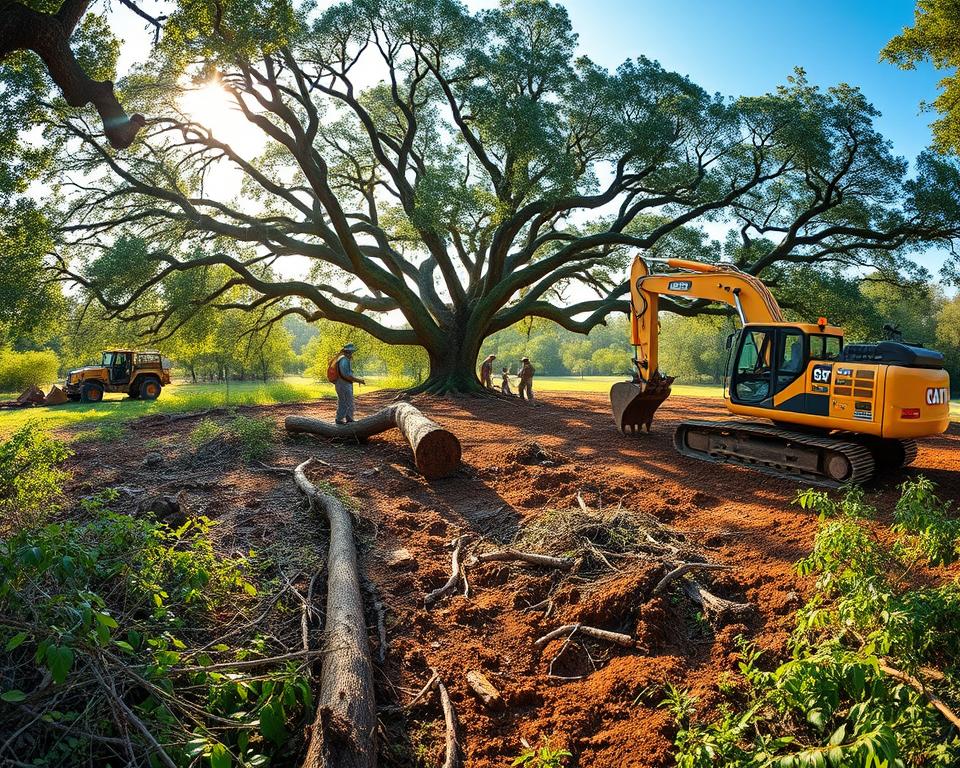
Overgrown fence lines pose significant risks to both safety and property integrity. Unchecked vegetation growth leads to hazards, mainly concerning fire prevention and security. These issues can have severe consequences for homeowners.
Tx1

Fire Risks and Safety Issues

Thick vegetation along fence lines is a fire hazard. Parched brush and weeds act as fuel for wildfires, making fire prevention critical. If a fire breaks out, emergency services may struggle to control it due to obstructed visibility and access from overgrown foliage.

Compromised Security and Integrity of Fences

Overgrowth severely compromises security. Dense brush can hide intruders, increasing the risk of trespassing. Branches can also damage fences, undermining their structure. To prevent these issues, regular fence line maintenance is vital, helping to maintain the integrity of your property boundaries.

What is Fence Line Clearing?

Fence line clearing is a key practice aimed at keeping a property’s perimeter clear of unwanted obstructions. It not only protects the property but also improves its appearance. By tackling these issues, owners can safeguard their investment and guarantee clear boundaries.

Defining the Process

The fence line clearing process involves removing vegetation, debris, and obstacles that infringe upon the fence area. This includes shrubs, fallen branches, and unwanted plants that block visibility or weaken the fence. Effective land clearing is key to maintaining clear lines and ensuring property security.

Common Obstacles Removed During Clearing

Several common obstacles are addressed during fence line clearing to improve property boundaries. These include:

  • Overgrown shrubs and weeds
  • Dead trees or branches
  • Loose rocks and gravel
  • Fallen leaves and natural debris
  • Invasive plants that threaten native species

By focusing on these areas, property boundary vegetation clearance effectively improves aesthetics while guaranteeing the fencing’s longevity and stability.

Benefits of Clearing Fence Lines Around Property Perimeters

Regular maintenance of fence lines offers numerous advantages that play a critical role in property management. By engaging in perimeter fencing vegetation removal, property owners can achieve improved upkeep and visual appeal while securing their premises. The benefits extend beyond tidiness, influencing both aesthetics and practical aspects of safety.

Improved Property Maintenance

Well-maintained fence lines add significantly to overall property upkeep. With perimeter fencing vegetation removal, the likelihood of encroachment from encroaching plants and branches decreases. This preventative approach leads to reduced damage from overgrown branches affecting not just the fence but also nearby structures.

Increased Visibility and Security

Clearing vegetation around fences improves visibility for property owners and security personnel, enabling easier spotting of threats. This increased clarity acts as a deterrent, making it hard for intruders to approach unnoticed. Maintaining unobstructed views fosters a sense of safety for neighbors and residents.

Enhanced Curb Appeal

A neat fence line elevates the overall attractiveness of a property. Owners looking to increase market value will find that a well-kept perimeter significantly boosts curb appeal. Regular fence line maintenance not only creates a memorable impression on visitors but can also improve neighborhood aesthetics, contributing to a pleasant community environment.

Choosing the Right Fence Line Clearing Company

Choosing a fence line clearing company is a important decision for managing your property’s perimeter. Look for teams with extensive industry knowledge and the appropriate tools for your property’s specific needs. Making an informed choice can yield long-term benefits, guaranteeing your property remains organized and secure.

Look for Expertise and Equipment

When evaluating contractors, focus on their fence line clearing expertise. Companies with experience in advanced machinery can clear your property efficiently and safely. They should have dedicated tools for tasks like removing underbrush and trimming overgrown vegetation. Always inquire about their equipment and methods to make sure they meet modern standards.

Assessing Experience with Different Property Types

Every property type, from residential to commercial, has its own clearing needs. A reputable company will have experience with various terrains and challenges. Ask about their past projects to gauge their ability to manage your property’s specific issues. This background is key to efficient perimeter upkeep, keeping your property secure and tidy.

Techniques for Effective Fence Line Clearing

Efficient fence line clearing requires a variety of techniques. Homeowners can choose between mechanical methods and non-toxic solutions. This flexibility allows them to keep their property in top condition while respecting the environment. Understanding these methods helps in making informed decisions about fence line upkeep.

Mechanical Methods

Mechanical methods use tools such as chainsaws, bulldozers, and brush mowers to handle dense growth. These machines rapidly clear large areas, saving time on manual labor. Some common mechanical options include:

  • Chainsaws for cutting down trees and thick branches.
  • Bulldozers for removing heavy brush and debris.
  • Brush mowers for mowing thick vegetation quickly.

While mechanical methods are powerful, they can pose ecological risks. It’s important to assess environmental impact and follow safety protocols before operating heavy machinery. This ensures responsible management.

Herbicides and Non-toxic Solutions

When mechanical methods aren’t suitable, herbicides and non-toxic solutions offer alternatives. These include chemical and organic herbicides to control persistent vegetation. Benefits of these approaches include:

  • Long-term management of weeds and unwanted plants.
  • Reduced physical labor.
  • Potentially lower environmental impact when using non-toxic solutions.

Combining herbicides with mechanical methods provides a complete solution for fence line upkeep. A balanced approach delivers lasting results while supporting ecological health.

How Often Should You Clear Your Fence Line?

Developing a maintenance schedule for fence line clearing is vital for safety and aesthetics. Regular upkeep prevents overgrowth, keeping fence lines both operational and visually appealing. Clearing frequency depends on varied factors that require careful consideration to maintain a well-defined boundary.

Establishing a Maintenance Schedule

A structured maintenance schedule is key to effective fence line upkeep. Regular inspections and clearings help prevent overgrowth risks. It’s wise to adjust the timetable based on growth patterns and environmental conditions.

Factors Affecting Clearing Frequency

Several variables influence how often you should clear your fence line, including:

  • Local vegetation growth rates: Different plants and trees grow at different speeds, necessitating more frequent attention in lush areas.
  • Seasonal weather conditions: Frequent rains or strong winds can increase foliage debris along the fence line.
  • Property usage: Homes with high foot traffic or livestock may require more regular maintenance to avoid obstructions.

Understanding these variables and setting a maintenance timetable helps property owners keep fence lines well-maintained, boosting both safety and curb appeal.

Finding a Property Boundary Vegetation Clearance Service

Selecting a trusted property boundary vegetation clearance service boosts your property’s upkeep. Professionals bring critical knowledge and specialized equipment to the task, ensuring top-quality results and safety throughout. Opting for expert assistance saves time and reduces accident risks compared to DIY efforts.

Benefits of Hiring Professionals vs. DIY

Employing experts for fence line maintenance offers several key advantages:

  • Access to advanced machinery for efficient clearing and upkeep.
  • Knowledge of local regulations and best practices for vegetation management.
  • Comprehensive property assessments tailored to individual needs, ensuring optimal outcomes.
  • Time-saving advantages that let you focus on other priorities.

What to Expect from a Professional Service

Partnering with experts for property boundary vegetation clearance means you can expect:

  • An initial consultation to assess your property and discuss requirements.
  • Detailed plans outlining the scope of work, projected timeline, and cost estimates.
  • Efficient vegetation removal and cleanup, leaving fence lines clear and attractive.
  • Ongoing support and advice for future maintenance to keep your boundaries well-defined.

The Role of Specialized Equipment in Fence Line Clearing

Dedicated equipment is crucial for efficient fence line clearing. Various types of machinery deliver optimal results while ensuring safety. Familiarity with these tools and their safety measures can elevate property boundary maintenance.

Types of Equipment Commonly Used

Equipment selection depends on project scale. Common tools include:

  • Brush Cutters
  • Mulchers
  • Bulldozers
  • Chainsaws
  • Tree Removal Equipment

Each tool has a distinct role, contributing to the clearing process’s speed and thoroughness. Choosing the right equipment hinges on the nature of the obstacles.

Safety Considerations When Using Heavy Machinery

Although machinery enhances productivity, safety must never be neglected. Key safety protocols include:

  1. Regular maintenance inspections of equipment.
  2. Proper training and certification for operators.
  3. Use of appropriate personal protective equipment (PPE).
  4. Strict adherence to safety regulations and guidelines.

Following these practices reduces risks posed by heavy machinery, ensuring a safe fence line clearing operation.

To Summarize

Clearing fence lines around property perimeters is more than aesthetic; it’s essential for home safety and boundary upkeep. Regular attention to these areas can significantly lower risks and prolong fence lifespan. A well-maintained fence line also makes outdoor spaces more secure and more inviting.

Hiring experts for fence line clearing delivers many advantages. They bring the right tools and expertise to tackle various challenges. This investment improves safety, lowers risks, and creates more welcoming outdoor areas. Ultimately, prioritizing this maintenance is crucial to any property’s long-term success.

Benefits of Forestry Mulching for Poolville Landowners

Land Clearing Encircling Water Sources: Prime Techniques

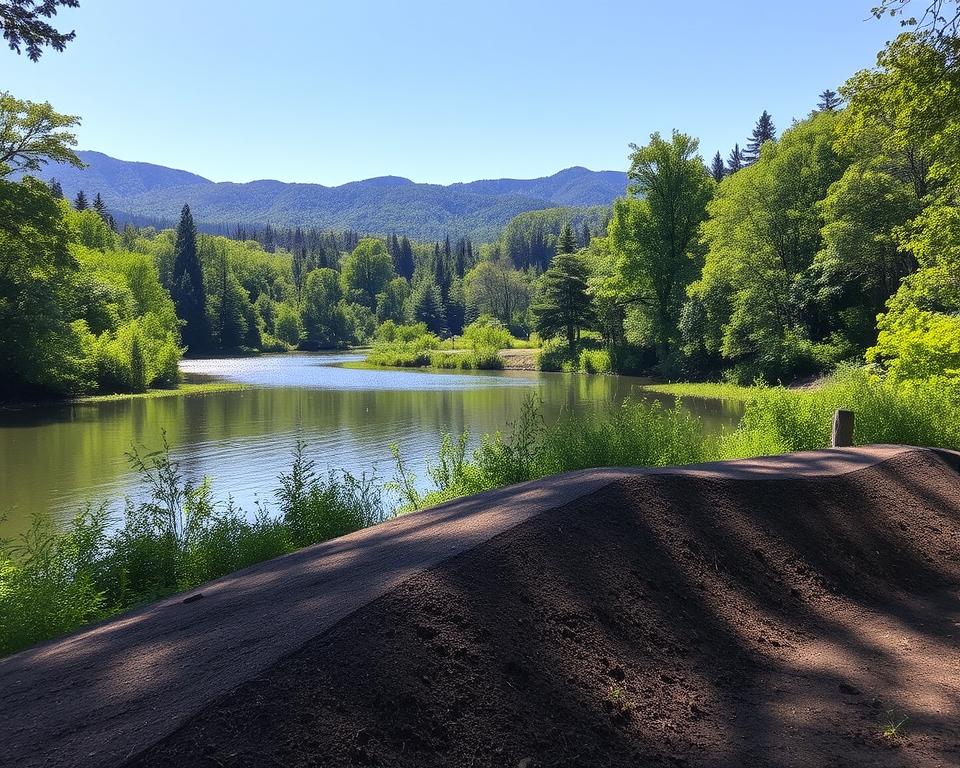
Would you believe that nearly around seven out of ten of the earth’s fresh water supplies are threatened by agricultural runoff and Land Clearing? This alarming fact underscores the critical need for responsible land management, essential during water source Land Clearing. Ensuring environmental responsibility is vital for preserving ecological balance and preserving water quality and wildlife habitats. With increasing resource demands from communities, implementing sustainable land management practices is indispensable. It helps achieve project goals while preventing soil erosion and reducing pollution risks in aquatic ecosystems – land clearing near me.

Noteworthy Points

  • Sustainable land management is crucial for preserving water quality.
  • Implementing best practices can prevent soil erosion and habitat loss.
  • Recognizing ecological impacts is vital for responsible Land Clearing.
  • Strategic planning boosts project success while protecting ecosystems.
  • Utilizing effective techniques promotes biodiversity in aquatic landscapes.

Grasping the Significance of Sustainable Land Clearing

Land Clearing involves more than just uprooting vegetation. It has ecological effects of Land Clearing that can affect adjacent zones, particularly aquatic ones. Conventional approaches typically lead to soil erosion, habitat disruption, and water contamination. Understanding these effects is crucial to implementing improved land management.

Environmental Consequences of Typical Land Clearing

Typical Land Clearing practices can lead to various environmental challenges. Loss of vegetation results in soil erosion, soil degradation, and sediment runoff into aquatic systems. Such runoff contaminates water bodies, jeopardizing aquatic ecosystems. Furthermore, it endangers local fauna and upsets ecological equilibrium.

Sustainable Land Management Options

Implementing sustainable land management practices mitigates problems of standard clearing. Targeted clearing of select plants sustains ecosystem stability. Employing erosion control strategies—such as cover cropping—stabilizes soils and safeguards water purity. Emphasizing indigenous vegetation bolsters wildlife and fosters ecological well-being.

Essential Best Practices for Land Clearing

Successful clearing projects hinge on a solid understanding of ecological factors. Evaluating environmental aims is key for ensuring effective, sustainable clearing. With defined objectives, landowners can make choices that align environmental protection with development priorities.

Tx15

Evaluating Your Environmental Objectives

Before a clearing project, one must appraise environmental goals. This involves evaluating the local ecosystem and how clearing might affect wildlife, soil, and water. Defining personal objectives aids in crafting strategies to safeguard local habitats and watersheds.

Timing Your Clearing Efforts

The scheduling of clearing activities influences success greatly. Winter to early spring, with frozen conditions, lessens soil disruption and erosion risk. Understanding avoidance periods results in healthier landscapes and diminished environmental impact.

Understanding Local Clearing Regulations

Compliance with local Land Clearing regulations is critical for any project’s success. Knowing permit prerequisites helps prevent legal troubles or penalties. Checking ordinances around protected sites ensures compliance and avoids disasters.

Land Clearing Around Aquatic Points: Optimal Practices

Effective Land Clearing practices around water sources focus on protecting sensitive areas while ensuring ecological balance. A thorough approach involves identifying regions that require special care and implementing appropriate erosion control methods. These measures are essential for safeguarding biodiversity and upholding water purity.

Pinpointing Critical Areas for Protection

Prior to Land Clearing, evaluating the terrain for sensitive sites—like wetlands and riparian strips—is crucial. These ecological hotspots filter pollutants and offer habitats for diverse species. Proper identification enables land managers to implement safeguards during and post clearing.

Implementing Erosion Control Measures

Once sensitive areas have been identified, effective erosion control methods must be employed to minimize sediment runoff into adjacent water bodies. Techniques such as silt fencing, natural buffers, and planting cover crops contribute significantly to maintaining water quality. Integrating eco-friendly clearing with erosion management nurtures healthier aquatic environments. These efforts benefit ecosystems and nearby communities alike.

Comparing Mechanical and Manual Clearing

Choosing between mechanical and manual Land Clearing methods is critical. Each has its own set of advantages and disadvantages, affecting the environment and the clearing process’s efficiency. Recognizing these variations enables informed decision-making aligned with management aims.

Advantages and Disadvantages of Mechanical Clearing

Mechanical Land Clearing employs heavy machinery to swiftly remove trees, shrubs, and debris. This method accelerates projects and lowers labor demands. Yet, machinery use can cause significant soil disturbance, compaction, and damage to ecosystems.

  • Pros: Efficiency in clearing large areas.
  • Decreased labor requirements.
  • Suitability for challenging terrains.
  • Cons: Increased environmental impact.
  • Risk of soil erosion.
  • Threat of habitat loss.

Advantages of Manual and Selective Clearing

Manual and selective Land Clearing methods focus on ecological sustainability. Using trained workers, targeted removal reduces soil disruption and safeguards vegetation. This approach suits projects where biodiversity and ecosystem health are priorities.

  • Benefits: Protection of native flora.
  • Lowered soil disturbance and erosion rates.
  • Enhanced habitat protection for wildlife.

Wetland Land Clearing Practices

Wetlands are unique zones essential for ecological equilibrium. They purify water, mitigate flooding, and serve as habitats for diverse life forms. Comprehending wetland function underpins responsible clearing. The objective is to lessen disruptions and maintain these aquatic habitats.

Comprehending Wetland Ecosystems

Wetlands feature specific hydrologic conditions, soils, and flora. They act as interfaces between land and water, sheltering multiple species. These ecosystems are essential for water quality regulation, providing natural filtration processes that remove pollutants. Protecting these zones supports biodiversity and strengthens ecosystem resilience.

Techniques for Responsible Wetland Clearing

Thoughtful planning and execution are required for responsible wetland clearing. Sustainable methods can reduce the adverse effects of clearing. Some commonly adopted strategies include:

  • Staged Clearing: Conduct clearing in phases to minimize ecological disruption, allowing time for wildlife to adapt.
  • Selective Clearing: Remove only specific vegetation types, preserving critical species for habitat stability.
  • Regrowth Practices: Introduce practices that encourage natural vegetation regrowth after clearing, maintaining ecosystem functions.
  • Buffer Zones: Establish buffer areas around sensitive wetland sections to protect aquatic habitats from disturbances.

Using these methods guarantees that wetland clearing respects wetland functions and decreases habitat loss risk.

Protecting Riparian Reserves During Land Clearing

Riparian reserves are crucial for healthy water ecosystems. Positioned beside rivers and streams, these zones function as protective buffers. They maintain water purity and foster biodiversity. Implementing best practices prevents soil erosion, secures wildlife habitats, and sustains river ecology.

Riparian Buffer Functions

Riparian zones play a vital role in aquatic ecosystems. They trap pollutants, secure shorelines, and furnish habitats for wildlife. These buffers act as protective barriers, reducing the impact of human activities on water bodies. Protecting riparian areas enhances water quality, supports fish populations, and strengthens ecosystem resilience.

Best Practices for Maintaining Riparian Zones

To keep riparian reserves effective, several best practices are essential:

  • Avoid construction within buffer strips to minimize disturbance.
  • Use native vegetation to stabilize banks and prevent erosion.
  • Establish a diverse plant community to enhance habitat complexity and support wildlife.
  • Manage invasive species to protect native plants and maintain ecosystem stability.
  • Regularly assess soil health and water quality to guide management efforts.

Aquatic Land Clearing Essentials

Aquatic clearing strategies help maintain ecosystem harmony and water quality. Ensuring water quality control during clearing cuts pollution threats and fosters sustainability. These strategies prevent sediment runoff and improve aquatic ecosystem health.

Evaluating Water Quality and Sediment Control

Ensuring water quality begins by assessing nearby water holdings. Clearing adjacent to water systems must avoid sediment deposits that damage water quality and aquatic organisms. Strategies include:

  • Establishing buffer zones to filter pollutants
  • Using sediment traps and barriers to minimize runoff
  • Selecting clearing times to coincide with low water levels

These practices shield water quality and sustain ecosystem health. Remaining vegetation supports sediment retention and nutrient dynamics, promoting healthy waterways.

Promoting Biodiversity in Aquatic Landscapes

Protecting biodiversity around water sources ensures ecosystem robustness. Water source clearing must conserve native species essential to ecosystems. Practices to enhance biodiversity include:

  • Conserving critical habitats during clearing processes
  • Implementing phased clearing to allow wildlife adaptation
  • Restoring natural vegetation post-clearing to enhance habitat

Embracing these tactics enables managers to nurture biodiversity in water-adjacent areas. The result is healthier, more flexible ecosystems. Such measures defend water quality and encourage sustainable land management.

Stream Bank and Riverbank Clearing Considerations

Stream bank clearing comes with its own set of challenges, needing a focus on environmental impacts and regulatory compliance. The process must honor riverbank requirements to protect water source ecology. Issues like erosion, habitat disruption, and water quality decline require strategic solutions during clearing.

Obstacles in Stream Bank Clearing

Clearing stream banks encounters multiple obstacles. Erosion is a chief issue, resulting in soil loss and impaired water quality. Disturbing habitats affects wildlife reliant on riparian areas. Without plants, stormwater runoff surges, depositing sediments in watercourses. These challenges underline the necessity of strategic stream bank management.

Combatting Erosion and Promoting Healthy Flora

Mitigating erosion is key for stream bank clearing. Using indigenous vegetation fortifies banks. Their roots combat soil erosion, fostering a sustainable environment for local flora and fauna. Periodic reviews in clearing guarantee efficacy and preserve riverbank ecology. Lush vegetation advances management objectives and sustains ecosystem health.

Conclusion

Following best practices in water source Land Clearing is critical to ecosystem well-being. Stakeholders need to prioritize sustainable land management. This approach not only fulfills their goals but also protects the environment. Careful planning and execution ensure Land Clearing operations safeguard aquatic ecosystems and preserve biodiversity.

Locating sensitive zones and applying erosion controls are fundamental steps. Using mechanical and manual methods enables landowners and contractors to practice responsible land management. Sustainable practices foster harmony between development and nature. This ensures water sources and adjacent landscapes remain vibrant and resilient.

The commitment to sustainable land management is a collective responsibility. Each clearing activity influences watershed health. By integrating environmentally responsible practices, we can create a future where agriculture and the environment coexist harmoniously.