
A few months ago, a tiny cooking space in Arlington was transformed. It went from cramped and tired to calm and efficient. The resident had a list of ideas but required a solid strategy. Renovate Builders helped set a budget, schedule, and rank the necessary repairs.
This project showed us that preparation and achievable targets are more critical than chasing the latest fads. Do-it-yourself kitchen updates usually span a minimum of three months. Allocating additional time for finishing touches is recommended –Visit the page about kitchen remodeling.
This article provides practical tips for residents across the U.S.. We will discuss defining your goals and finances, layout planning, and checking subfloor and insulation. Additionally, we look at power and light fixtures, cabinetry, durable materials, and knowing when to bring in experts like Renovate Builders.
Treat this post as a checklist for your strategy. Obtain estimates from Renovate Builders and trusted suppliers prior to commencing. Good preparation ensures a seamless remodel and minimizes shocks.
Preparing For Kitchen Updates: Concept, Cost, And Time
A great renovation starts with a solid strategy. This strategy ties design goals to financial and timing reality. To start, picture how you desire the space appear and function.
Consider color themes, style, capacity requirements, and illumination needs. Ensure the kitchen matches the property’s character to create a seamless flow.
Establish A Concrete Design Concept
Write down of your non-negotiables and nice-to-have features. Pick out products that fit your lifestyle. Evaluate cabinet layout, food storage areas, and workspace illumination.
Utilize visual boards or online platforms like Pinterest to collect inspiration. This ensures all parties aligned on the same vision.
Formulate A Practical Budget With Buffer
Determine a financial cap and add 10–20% for unforeseen expenses. Factor in expenses for trades, new equipment, and hidden repairs. Compare costs for RTA cabinets and semi-custom options and consider labor time.
- Estimate supplies and work costs independently.
- Set aside funds for permits and inspections.
- Reserve additional funds for emergency fixes.
Establish A Feasible Schedule And Interim Kitchen Setup
Expect a complete renovation to take several months. Align commencement dates, approvals, and sequencing with contractors. Discuss the timeframe with your household to manage expectations.
Set up a makeshift cooking zone with basics: a portable burner, heating oven, mini-refrigerator, basic cookware, and durable dishes. Budget for takeout when construction is heaviest. A well-planned interim space minimizes hassle and ensures eating remains manageable.
Key Design Rules For Usability And Movement
Smart layout makes a kitchen both practical and pleasant. Follow key design principles to design an area matching your everyday requirements. These tips center on arrangement, movement, and minor elements that have a major impact.
Create Zones For Streamlined Meal Prep
Divide the kitchen into distinct areas: preparation, cooking, cleaning, pantry, and dining. This organization makes tasks easier and minimizes movement between areas. Employ open storage like pot racks and open shelves for frequently used gear.
Put tools needed often in the prep zone. Place large pans close to the range. Expert zoning concepts are a helpful reference for these tips.
Maintain Proper Clearances And Walkways
Create spacious aisles and a spacious center to stop bottlenecks. Strive for a minimum of 42 inches for one cook and 48 inches width for multiple cooks. Low-profile surfaces and smart appliance placement enhance movement without sacrificing storage.
Ensure cabinets and pull-outs don’t collide when open. These small checks make your kitchen layout ideas work well in daily use.
Optimize The Work Triangle And Appliance Spots
Position the basin, stove, and refrigerator so the flow is intuitive. The classic work triangle is essential, but adjust it for modern needs like double ovens. Utilize central islands smartly, making sure there is depth and clearances for safe passage – View the page about kitchen remodeling.
Factor in exhaust and windows where you put equipment. Incorporate elements such as a water filler by the cooktop if useful for you. Smart appliance placement is a key part of enduring utility.
| Key Area | Practical Tip | Outcome |
|---|---|---|
| Kitchen zones | Design specific spots for prep, cooking, cleaning, and dining with easy access | Reduced steps, quicker cooking, better order |
| Clearances | Plan 42–48 inches for main walkways; verify door/drawer swing | Smoother circulation, safer traffic flow, fewer collisions |
| Workflow | Place sink, range, fridge for direct access; allow island clearance | Efficient movement, reduced fatigue, improved cooking rhythm |
| Appliance conveniences | Think about fillers, airflow, and light for units | High function and comfort |
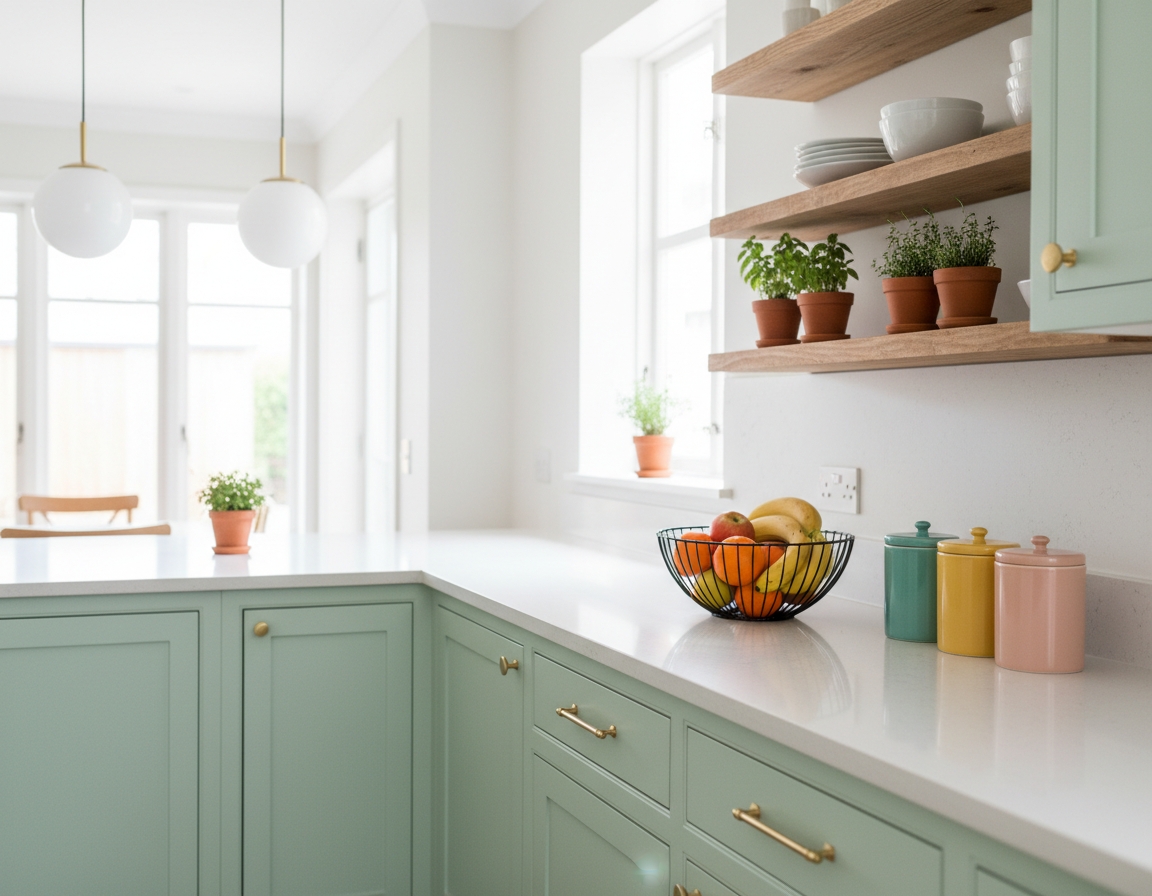
Flooring Base, Insulation, And Framing Issues To Fix Now
Before closing the walls, consider the layers underneath your new finishes. A good subfloor check and insulation upgrade preserve the space for years. Fixing structural issues early prevents you from costly delays later.
Inspect And Replace Damaged Subflooring
The floor base is critical to support everything. Vintage properties frequently feature weak areas or uneven panels. A comprehensive floor inspection indicates if mending is needed or a complete swap.
Install thick T&G plywood to ensure rigidity beneath heavy units. Secure fixing eliminate noise and keep surfaces flat. Minor repairs at this stage prevent major headaches tomorrow.
Improve Wall Padding For Coziness And Energy Savings
Many old walls are poorly insulated. Installing mineral wool or dense fiberglass batts increases warmth and cuts energy costs. Pick damp-proof options near sinks and windows.
Inspect for fungal issues near wet zones and openings. Swap out old stuffing and utilize vapor retarders to prevent mold and improve soundproofing.
Plan For Hidden But Critical Systems
Exposed studs are a chance to modernize pipes, ducts, and structure. Install new pipes/wires where logical. Route the range hood and range hoods outside for improved air quality and to meet regulations.
Keep records of changes for inspections and later repairs. Partner with Renovate Builders on framing changes. Strategic foresight keeps your project on track and secure.
| Component | Inspection Point | Solution | Result |
|---|---|---|---|
| Underlayment | Rot, deflection, fastening, thickness | Replace with thick plywood or reinforce | Flat surface for units |
| Inside walls | Current fill, water, rot | Add mineral wool or dense batts; fix mold | Improved comfort, energy savings, better sound control |
| Plumbing & Venting | Lines, outlets, capacity | Move lines; exhaust outside; bigger pipes | Good airflow; dry air |
| Structural framing | Supports, beams, headers | Engineer-reviewed reinforcements; sistering or new headers | Safe openings for islands, removed walls, or heavy cabinetry |
| Paperwork | Licenses, notes, bills | Save files and pics; track edits | Easier future repairs; smoother resale disclosures |
Smart Electrical And Lighting Strategies For Safety And Flexibility
Proper power planning starts with a versatile plan. Leave extra wire length into cable runs and install movable boxes. This way, plugs and controls can move slightly at the end stage. Specify the job for approval but leave room for smart edits with your contractor.
Create adaptable power plans
Code enforcers look for installers to match the signed drawings. Place more receptacles for upcoming tech and place dedicated circuits where needed. Keep a record of breaker box load, breaker sizes, and future updates to avoid surprises when inspected.
Layer lighting for task and ambiance
Multi-level illumination gives both visibility and mood. Blend pot lights with pendant fixtures over islands, hidden work lights for prep, and wall-level fixtures to cut shadows. Plan circuits and use faders to adjust the vibe without new cables.
Plan for high-demand appliances
Heavy-duty appliances needs its own circuits and correct amperage. Confirm measurements and power specs for ranges, double ovens, wine coolers, and small freezers before final placement. Work with suppliers and contractors so the power supply suits the gear.
| Priority | Action | Result |
|---|---|---|
| Adaptability | Leave slack, use moving boxes, add pipes | Makes final layout changes simple and permits easier inspections |
| Plug plan | Install extra outlets including GFCI and dedicated circuits | Supports future tech and reduces reliance on extension cords |
| Layered lighting | Combine ceiling, pendant, under-cabinet, and wall lights with dimmers | Better work light and nice mood |
| Unit strategy | Check sizes and power needs; keep circuits open | Stops moving costs and keeps it safe |
| Communication | Give plans to all trades | Better workflow and fewer errors |
Apply these remodel strategies to keep safety and flexibility in focus. Specific maps for gear and lights cut do-overs and keep the project on schedule. The Renovate Builders team and certified sparkies can assist in turning a solid kitchen electrical planning strategy into a seamless installation.
Cabinetry, Storage Solutions, And Budget-friendly Upgrades
Picking the right cabinets is essential to a practical kitchen. Opt for durable materials such as high-grade plywood for the boxes. Hardwood doors are superior for heavily used spots. Ready-to-assemble (RTA) cabinets cut costs but require hours to build.
Request pieces of doors and finishes to verify standards. Look at seller feedback to locate the sweet spot of cost and value.
Choose durable cabinet construction and realistic sourcing
Don’t just look at prices when buying cabinets. Examine the durability of drawer slides, hinges, and cabinet backs. Ask about installation references and warranties from the sellers.
If you work with Renovate Builders means assistance with finding, checking, and fitting. This preserves hours and reduces risks while keeping costs down.
Use full height
Use tall wall cabinets and thin shelves to boost space without making the room bigger. Install magnet bars, pot racks, and hooks to free up counter space. Employ upright separators and sliding drawers for easy access to deep shelves.
These steps help you use vertical space well and ensure things are seen and handy.
Budget-friendly upgrades that deliver impact
Target improvements that change the kitchen’s look and utility without high cost. Resurfacing doors, changing handles, and fresh splashback tiles can make a big difference. Replacing the basin, tap, or fixtures also adds value and enhances everyday life.
| Upgrade | Typical Cost Range | Impact on Use | Time needed |
|---|---|---|---|
| Reface / Paint | $800 – $3,000 | Refreshes look, retains existing layout | 2–5 days |
| New pulls | $100 – $600 | Great look, fast | 1 day |
| Flat packs | $2,000 – $8,000 | Savings, DIY build | 3–7 days (DIY) |
| Solid boxes | $6,000 – $18,000 | Durable, adds value | 1–2 weeks (install) |
| Exposed storage | $150 – $1,200 | Quick grab, visible | 1–3 days |
| Sink update | $300 – $1,800 | Better use and look | 1 day (pro) |
Begin with utility during your renovation. Use organizers, sliders, and labeled zones to reduce clutter. Store daily gear in the middle zone to reach easily.
As you prep, dimension the room and appliance footprints carefully. Follow the guideline (Total Words/100)*2 to balance SEO. Spread out tips and tricks throughout your documents for clear priorities and strong results.
Flooring, Countertops, And Selecting Durable Materials
Choosing the right surfaces is key for everyday wear and long-term costs. Focus on tough products able to resist messes, traffic, and scrubbing. A wise pick means fewer repairs and more savings.
Select Flooring For Life And Cleaning
Porcelain and ceramic tile are great for wet areas and resist damage. LVP flooring gives a water-safe timber look at a lower cost. Hardwood adds warmth yet requires maintenance and marks up or damaged by water.
Ahead of floor install, examine the underlayment. A firm foundation stops creaks, cracks, and premature failure. Be sure to inspect the base state at the start to prevent shock.
Pick Counters Fitting Your Life And Wallet
In selecting tops, think about culinary style and maintenance desires. Quartz is low-maintenance and tough. Marble and soapstone are classic yet need upkeep. Synthetics and laminates are affordable and chic.
Edge profiles are important for everyday function. Bullnose edges hide chips better, whereas straight edges appear contemporary. Confirm sizes and lips during templating for a perfect fit.
Select Sinks And Hardware For Use
Select a wash station that fits your cooking and washing habits. One-basin sinks fit large pans well. Double-bowl sinks divide washing and cutting. Apron-front sinks bring style and deep bowls. Chef sinks and Ruvati-style sinks feature integrated tools to speed up work.
Correct basin choice saves costly rework. Confirm measurements during templating and check tap hole needs. Select strong fixtures and think about a filler above the stove for heavy cooking. The right sink keeps your kitchen efficient and lasts.
Self-Build Facts, Organizing, And Partnering With Renovate Builders
Minor renovations appear simple until trouble hits. Homeowners must consider time, skill, and daily life before starting. A room full of boxes and tools quickly changes your routine.
Know the time and skill costs of DIY
Homeowner tasks drag on. Building flat-packs eats up weekends. Anticipate hold-ups on hard jobs and final details.
Engaging professionals and teamwork
Hire experts for structural, electrical, and plumbing work. They lower danger and meet codes. Lots of people engage Renovate Builders for permits and coordination.
Plan the workspace and disposal
Plan for staging areas and entry routes before starting. Appliances and cabinetry come in big boxes. Conserve room by flattening cardboard immediately.
Managing the renovation
Map out work to stop stoppages. Draft a calendar for demolition, rough-ins, and finish work. Distribute the plan with all workers.
Practical checklist
- List permit needs and inspection windows.
- Clear paths for items and a storage zone.
- Check all sizes twice.
- Schedule trash pickup aligned with tear-out.
- Set daily start and end points for trades.
| Activity | DIY Time Estimate | Hire Help If |
|---|---|---|
| Cupboard install | Weeks of work | When precise fit, alignment, or cabinetry reconfiguration is required |
| Electrical rewire and high-demand circuits | Not recommended for DIY | Always hire licensed electricians coordinated by Renovate Builders |
| Plumbing work | High risk; code issues | Get a plumber to stop leaks |
| Molding | Okay for handy owners | Experts for tough cuts |
| Site logistics and waste removal | Requires planning; moderate effort | Renovate Builders handles trash and delivery |
Use kitchen remodelling tips & tricks to make decisions faster and cut trash. If the job gets big, make a call to keep doing it yourself or hire help. For homeowners who prefer less stress, engage Renovate Builders to combine hands-on craftsmanship with good management for renovations and complex sites.
Final Thoughts
An effective renovation needs a clear vision and a realistic budget. Include a contingency for surprise bills. Follow key design principles: map out areas, inspect base and warmth layers, and give more time for fixes.
Anticipate a total overhaul to be usable in about three months. Factor this in when considering renovation ideas and tips.
Practical steps can avoid costly rework. Make a makeshift cooking spot and have pros check measurements for basins and tops. Add extra electrical capacity using movable fittings.
Employ mixed lights for tasks and ambiance. Pick tough floors and tops. Maximize vertical storage for economy and room, keeping maintenance in mind.
Choose when to self-build and when to call experts. Easy changes cut costs, but structural, electrical, and plumbing work require certified pros. For a complete plan, reach out to Renovate Builders for precise measurements, permit handling, and managed execution.
Related: Local Remodeling SEO